

Sometimes I’ll be scrolling through Instagram and come across an account that I think I’ve seen before, but I can’t remember when I started following it.
The content ‘catches’ my eye because it matches the same stuff the algorithm has been putting in front of me for months, but I couldn’t tell you who posted it. It could be a new follow, a rebranded favorite, or simply a thoughtless follow that will never lead to anything more. Or maybe even an ad.
But then there are those brands that, once I discover them, pull me in immediately, and I can’t get enough. I want every part of the creator and what they’re selling, and I begin to see echoes of their style and personality all around me.
I don’t just stumble upon their content in my feed; I actively search for it.
That’s the difference between “good” design and great world-building.

A great brand doesn’t just exist on a business card or a website. It lives in the imagination of your audience. And the more vivid you make your world, the easier it is for people to understand who you are, what you stand for, and why they should care.
The psychology behind this is fascinating.
Despite the $3 trillion counterfeit goods market offering identical-looking products at a fraction of the cost, consumers still pay premiums for authentic luxury items.
This isn’t rational behavior; it’s driven by identity.
When someone buys a luxury item, they’re purchasing what researchers call “consumer-brand identity”—a psychological state where they feel a sense of belonging to the brand’s world, not just ownership of a product.
The Magnetic Pull of World-Building Brands
Nike
Consider Nike. It’s not just about athletic wear, it’s about the relentless pursuit of greatness, the sweat equity of champions, the democratization of sport for everyone.
Nike’s brand success stems from its ability to intertwine sports, culture, and personal aspirations seamlessly. When you see the swoosh, you’re not just seeing a logo; you’re entering a universe where “Just Do It” is a lifestyle and a battle cry.
Disney
Disney perfected this decades ago. Disney’s brand is iconic because it masterfully blends nostalgia with innovation, creating fantasy worlds that span generations. Every touchpoint (from theme parks to merchandise to films) reinforces the same magical world where dreams come true and imagination runs wild.
Apple
Apple built its empire not on tech specs, but on a world where creativity is also simple. Even as other competitors match the features and functionality of Apple products, it hasn’t changed Apple’s market dominance.
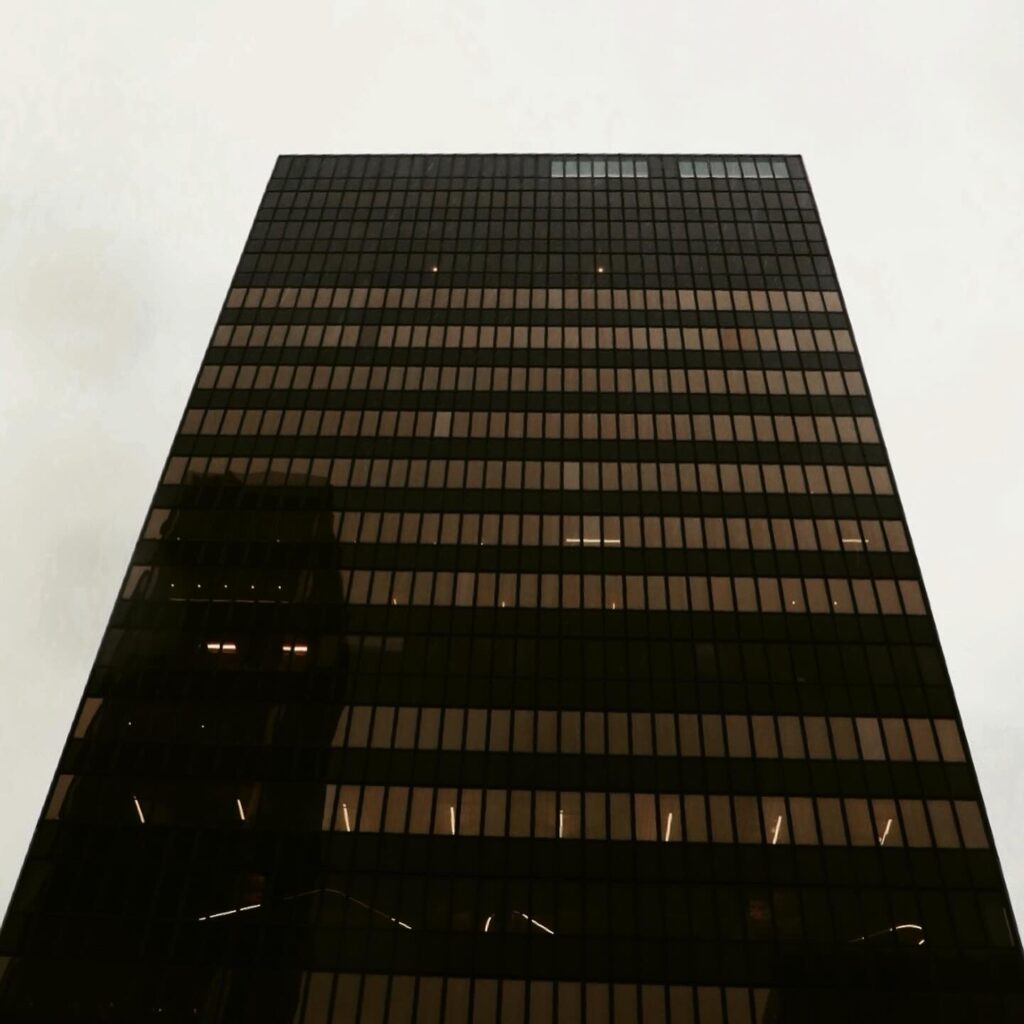
The other day, I was driving through downtown and passed a local bank with fluorescent lights and sad white desks and black swivel chairs. I turned to Addison and said, “Now that job looks depressing. Imagine spending all day under a fluorescent light with a Dell computer.”
Finding Inspiration to Style Your Brand Identity
The Mirror Method
The easiest way to begin building your own world is to look in the mirror.
What do you reach for when you get dressed? What kind of spaces do you create at home? Are there textures, palettes, or little details feel most like you? When you browse the aisles of a store, what kind of packaging catches your eye? What does your Pinterest feed look like?
Your personal style isn’t separate from your brand; it’s a reflection of what inspires you and who you aspire to be. If you put on a style facade for your business, you’ll always feel like an imposter.
Let your brand be a representation of you. If your home is filled with old antiques and dainty wallpaper, let your brand lean warm and feminine; don’t try to force a stark minimalist style just because you think everyone will like it more.
The World of AirBNB
Airbnb didn’t just build a booking platform to rival hotels; they built a world where traveling felt more attainable and you could see the world even from the comfort of “home.”
Their visual identity draws from the warmth of home design, the excitement of seeing new places, and the diversity of global cultures.
The colors are warm and friendly (coral and teal), the typography is straightforward and mirrors transportation signage, and the platform is simple and easy to use. Nothing about the brand is pretentious, confusing, or exclusive. It’s travel for all.
Understanding the Moodboard
The internet has made the difference between moodboards and vision boards confusing.
I often have clients adding aspirational milestones to their moodboards, like the private jet and luxury home they hope their business will provide. That’s not a moodboard, it’s a vision board.
Others’ “inspiration” looks identical to five other brands. It’s not a representation of the person or what makes them unique, but more a representation of the industry and what they think will help them belong and feel accepted online.
The Strategic Moodboard Process
Pinterest is the go-to platform for creating a mood board, but the key is strategic curation. Before you look around at everyone else’s ideas, get clear about the heart and soul of your own business, and then look for design inspiration that’s in alignment with that.
Advanced Pinterest Techniques:
- Use “Aesthetic” as a Search Modifier: Adding the word “aesthetic” when searching makes it more likely to retrieve visuals, especially if the core term is something like a product, where it may result in only product images. For example, ‘coastal aesthetic’ is going to give you a better result than just typing in ‘coast’
- Follow the Rabbit Hole: Start with one strong concept and let Pinterest’s algorithm guide you to related imagery
- Cross-Pollinate Industries: Pin images that embody the feeling(s) you want your brand to emulate from architecture, fashion, film, and nature (not just what you’d expect)
- Aim for 30+ Pins: We recommend pinning at least 30 images to the shared brand board, with a variety of color schemes, photographs, graphics, and logo designs
The trick is to cast your net wide. Skip the obvious logos and color palettes and instead collect the things that spark something in you: magazine spreads, film stills, architecture, a stranger’s outfit on the street.
When you pin from across disciplines, you’re not copying, you’re curating. And from that curation, patterns emerge: a rhythm of color, a mood in the light, a texture you can almost feel. That’s your brand world taking shape.
Need some inspiration? Check out ours.
Speaking in Metaphors
Sometimes the best way to define your brand is to borrow language from somewhere else.
The Metaphor Framework:
- If your brand were a store, would it be a cozy corner bookstore or a sleek coffee concept shop?
- If it were a destination, would it be Marrakech or Montana?
- If it were a movie, would it be a coming-of-age indie or a sweeping drama?
- If it were a song, would it be a piano ballad or a dance track?
These metaphors move your brand out of the abstract and into a lived-in image. They give you and your team a shorthand: a way of saying, “Our brand feels like this” without needing to over-explain.
Real Brand Examples:
Glossier
If it were a friend, it would be the cool girl with effortless style who shows up to your house with a simple gloss and a hack for hiding those under-eye circles. She’s fresh out of pilates with a slicked-back bun, and her skin is the glowing picture of health.
Patagonia
If it were a weekend getaway, it would be a backcountry camping trip in a difficult-to-get-to mountain range. It would heli into an undiscovered location (with no service, obviously), pitch a tent, and white-water raft down the next day.
Chanel
If it were a movie, it would star both Audrey Hepburn and Anne Hathaway in a sweeping drama spanning generations of women who found themselves and dreamed of a life of luxury, ease, and organization with never a hair out of place.
Building a Connecting Bridge for Your Brand
Understanding why certain brands create devoted followings while others fade into background noise is crucial. So how involved do you need to be?
User-generated content increases brand engagement by 28% because people become co-creators of your brand world. 70% of consumers feel more connected to a brand when its CEO is active on social platforms, suggesting that authentic leadership voice is part of world-building.
The most successful brand worlds tap into what psychologists refer to as “identity-relevant consumption.” When someone buys from your brand, they’re not just purchasing a product; they’re purchasing membership in your world and what it represents about who they are.
So it’s up to you to show them.
Exercises for Building Your Brand World
Pinterest Moodboard Strategy
Create a board of visuals that reflects your brand and the world your brand lives in. Give your brand a home, a closet, a weekend getaway, a storefront, and an identity.
Avoid direct competitors’ work and see if you can find inspiration outside your industry. Use brand anchors to describe the personality of your brand by choosing 3 adjectives that summarize what your brand stands for and the experience you want to create for your customers.
Metaphor Mapping Workshop
Give your brand an answer for each and see how it shifts your perspective:
- Architectural style: Minimalist loft or Victorian mansion?
- Fashion aesthetic: Scandinavian minimalism or maximalist vintage?
- Vacation destination: Tokyo or Tuscany?
- Dinner party host: Martha Stewart or Anthony Bourdain?
Character Sketch Deep-Dive
Write about your brand as if it were a character in a novel.
How do they speak? What do they notice? What do they wear? What’s in their bag? What do they order at a coffee shop? What’s their Instagram feed like?
Advanced Character Development:
- What would they never be caught doing?
- What’s their secret guilty pleasure?
- How do they handle conflict?
- What makes them laugh?
Sensory Brand Mapping
Map your brand across all five senses:
- Visual: Colors, textures, lighting
- Auditory: Voice tone, music style, sound associations
- Tactile: Materials, temperatures, textures
- Olfactory: Scents that represent your world
- Taste: Flavor profiles that match your personality
Visual Likes & Dislikes Audit
List out what feels “on brand” (colors, fonts, textures) and what doesn’t. Sometimes knowing what you reject is as important as knowing what you embrace.
Create two columns and be specific:
- Love: Hand-lettered scripts, weathered leather, warm brass, candlelit photography
- Hate: Comic Sans, hot pink, sterile environments, overly polished stock photos
Advanced Reflection Prompts for Brand Evolution
If you’re rebranding, refining, or simply wanting to deepen your brand identity, spend time with these expanded prompts:
Competitive Landscape Analysis:
- Which brands outside your industry inspire you, and what specific elements draw you in?
- What feels off about your current visuals, and can you pinpoint exactly why?
- Do your colors and fonts match the personality of your business, or is there a disconnect?
- Do your visuals stand out in your industry, or do they blend into the sameness?
Lifestyle and Culture Integration:
- If your brand had a weekend hobby, what would it be?
- Which magazine would you want your brand featured in, and on which page?
- What soundtrack plays when people step into your world?
- If your brand were a person at a party, who would they gravitate toward?
- What would your brand’s home look like, and what’s in the fridge?
Emotional Resonance Testing:
- What emotion do you want people to feel when they first encounter your brand?
- What do you want them to feel after they’ve been a customer for a year?
- If someone were describing your brand to a friend, what words would make you proud to hear?
- What would you never want associated with your brand?
These aren’t just fun questions; they help define the atmosphere your audience will experience and the emotional territory your brand owns.
The ROI of World-Building
Building a brand world isn’t just creative indulgence; it’s a strategic business investment. Most companies spend 10-20% of their marketing budgets on branding and rebranding, but those that get it right do it once and reap the rewards for years after.
The Return on Brand Investments:
- When customers don’t feel connected to your brand, 70% are less likely to say yes to proposals and offers and are more likely to price shop among similar options
- World building creates returning customers who spend 67% more than new customers on average
World-building also creates efficiency in your marketing operations.
When everyone understands the world you’ve created, decisions become easier. Should you partner with this influencer? Does this photoshoot location feel on-brand? Would your brand character wear this? The world framework makes choices clearer and faster.
From Inspiration to Implementation
You don’t need to invent something from scratch. But You do need to develop your curating muscle. You need to layer your brand with references, metaphors, and details until it feels like a world people want to be a part of.
When someone encounters your brand, they should feel like they’re stepping into a world that was designed specifically for them, where everything makes sense and feels right.
Remember, brand world-building is an iterative process. Begin with a strong foundation and refine it as you learn more about how your audience responds to different ideas. The goal isn’t perfection, it’s magnetic authenticity.
Start building your world today. Your audience is waiting to fall in love with it.
Want to learn how we can help you on that process? Get in touch.