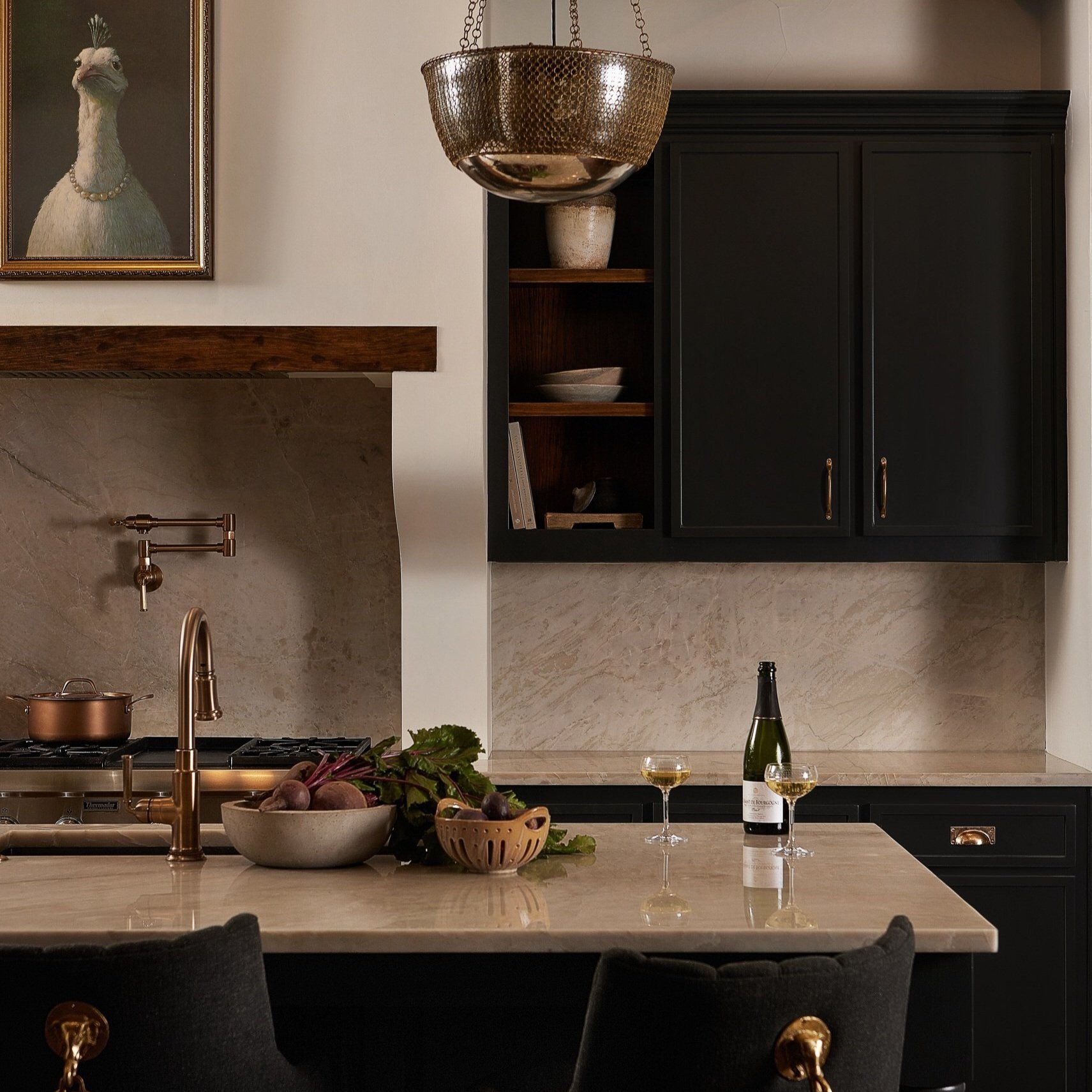


When you walk into a beautifully designed space, you don’t just see it—you feel it.
The walls, the light, the textures, and the colors all work together to shape your emotions.
Branding works the same way.
For Interior Designers especially, your brand should echo the same atmosphere you create in your projects—warmth, sophistication, creativity, or calm.
A strong Interior Design brand isn’t just about looking polished; it’s about extending your design philosophy into every touchpoint, creating an experience that feels as intentional as the spaces you’re known for.

Spaces Shape Feelings—So Do Brands
Interior design and branding have more in common than you might think.
Designers ask: How should this room make someone feel?
While we ask: How should this brand make someone feel?
Both disciplines use a specific toolkit—interiors use furniture, texture, and lighting; branding uses typography, color, and imagery. But the goal is the same: to create an experience that resonates on an emotional level.
Kismet House: Hospitality in Every Detail
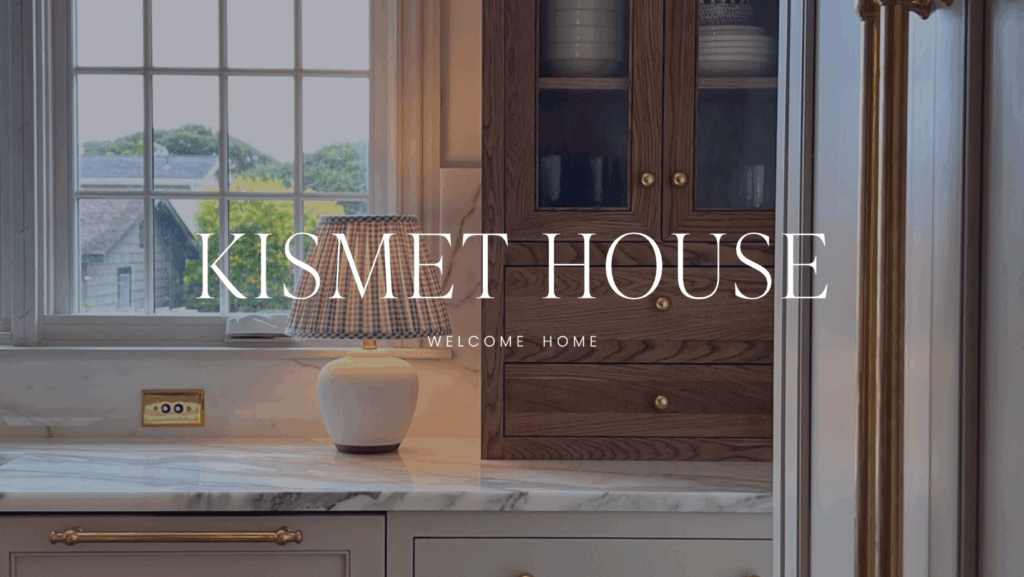
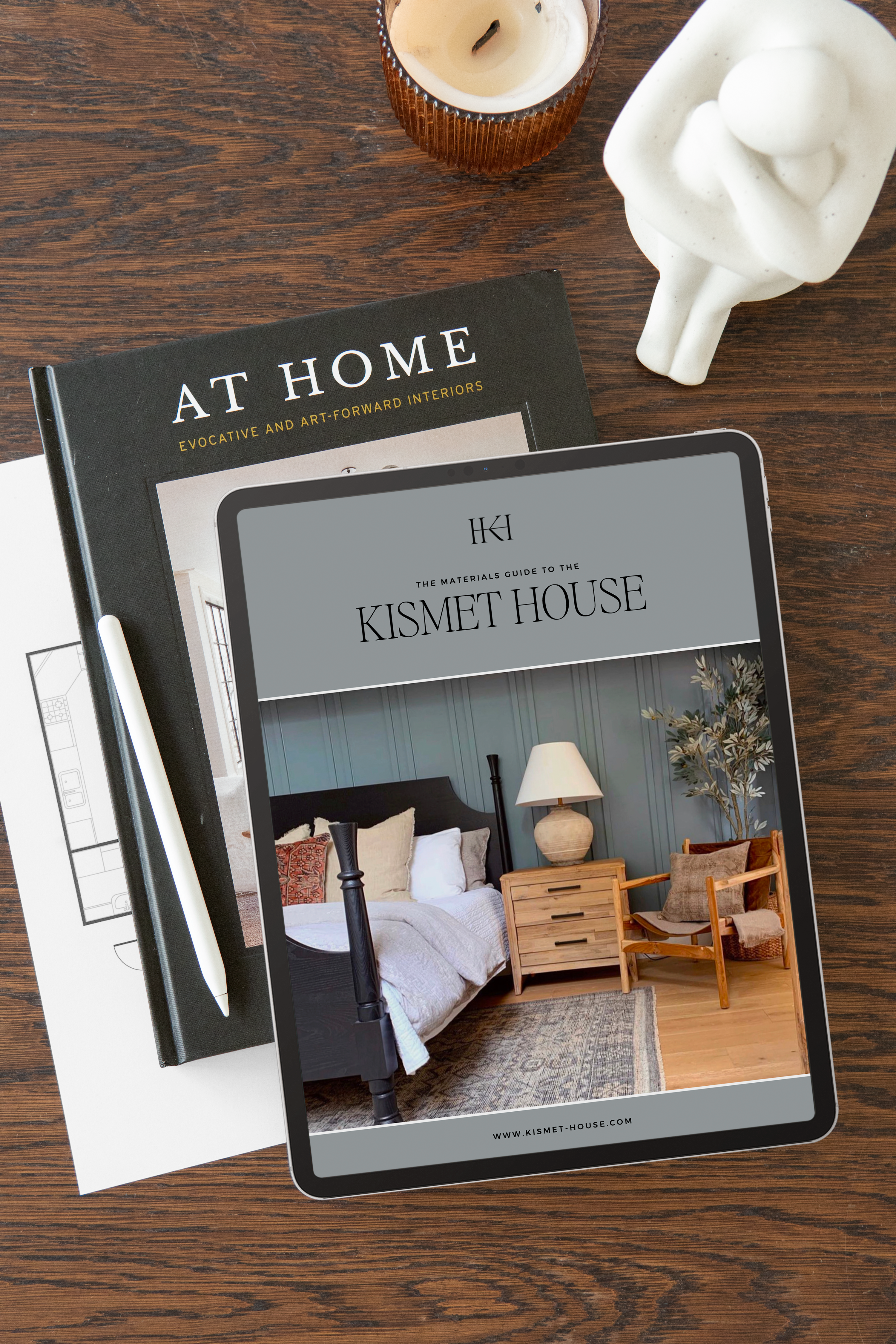
When the Conways started Kismet House, they weren’t just renovating a home—they were sharing a story. Their fixer-upper became a touchpoint for community, conversation, and hospitality.
Their emotional foundation was clear: warmth, inclusivity, and a timeless respect for architecture.
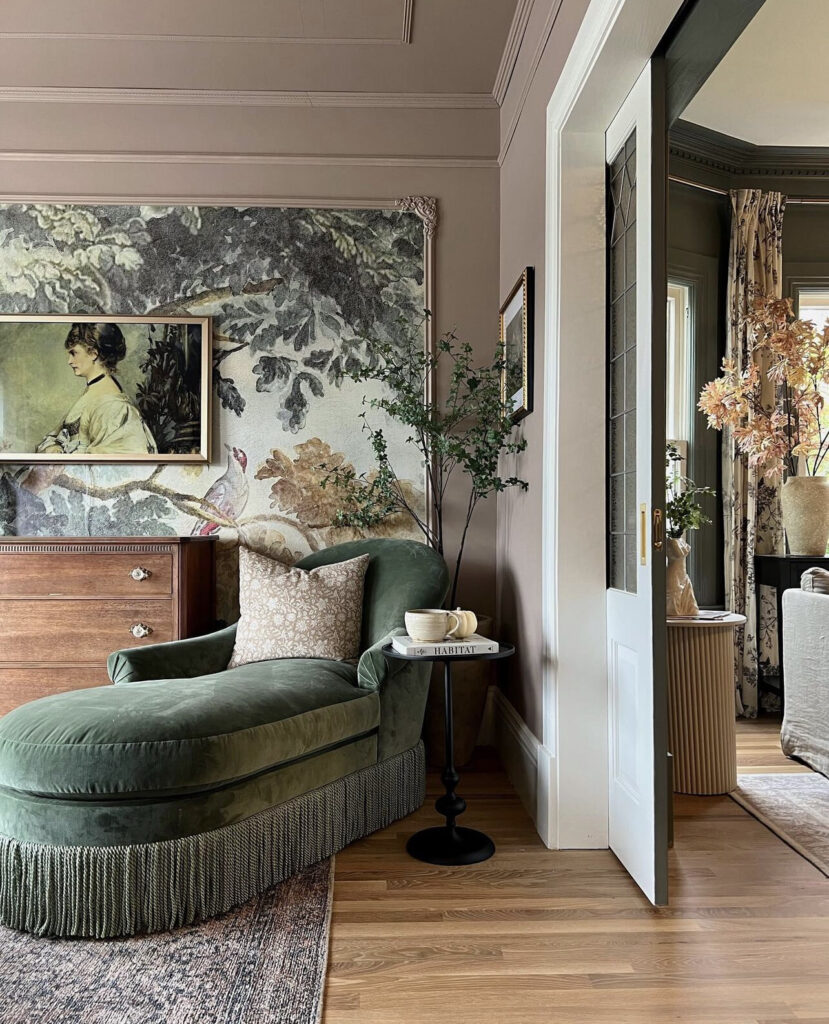
We translated that into a brand identity that felt approachable and enduring:
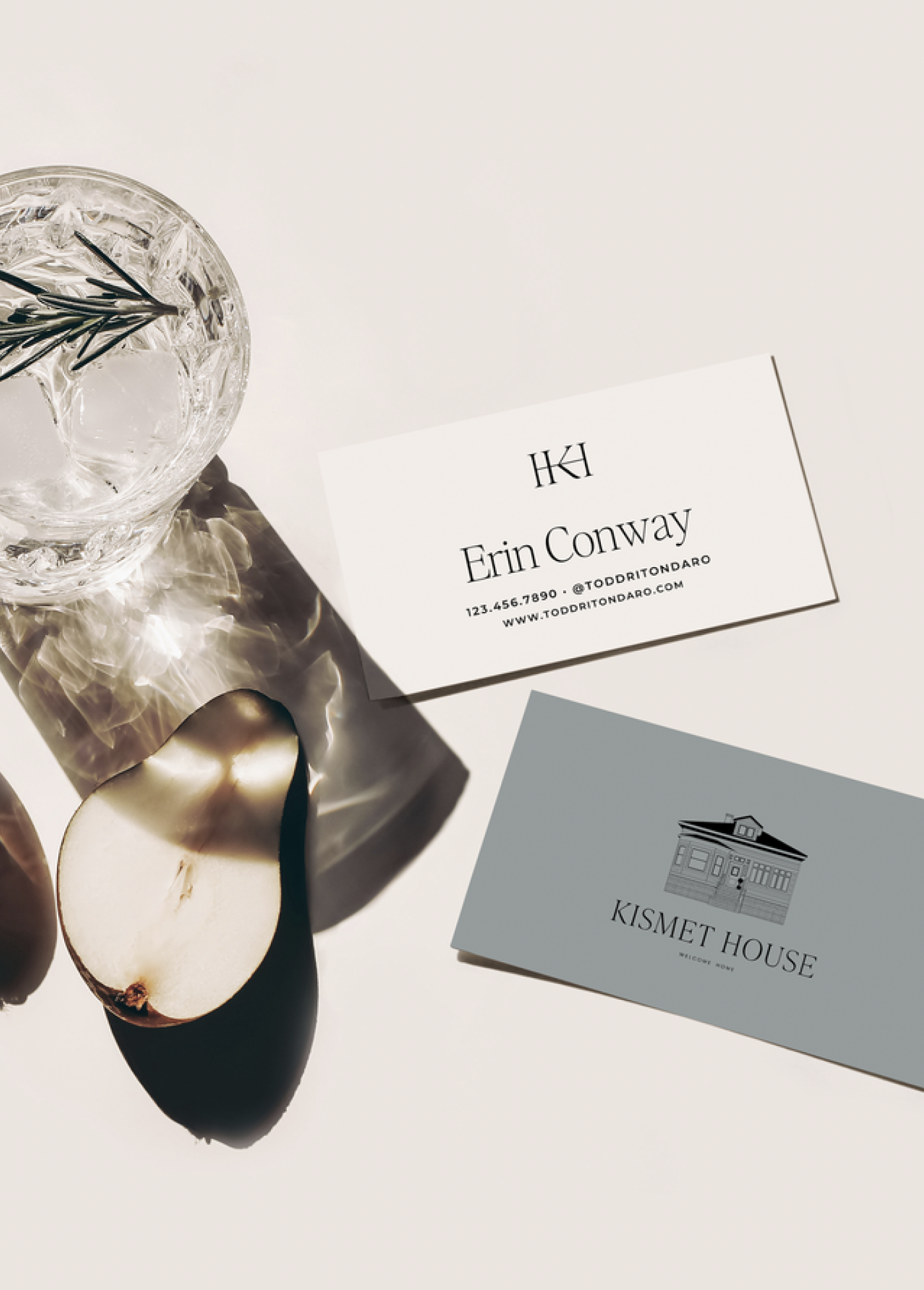
- An architectural crest that nods to history and preservation.
- A voice that feels more like a neighbor than a corporation.
- A digital presence that invites people in, rather than keeping them at arm’s length.
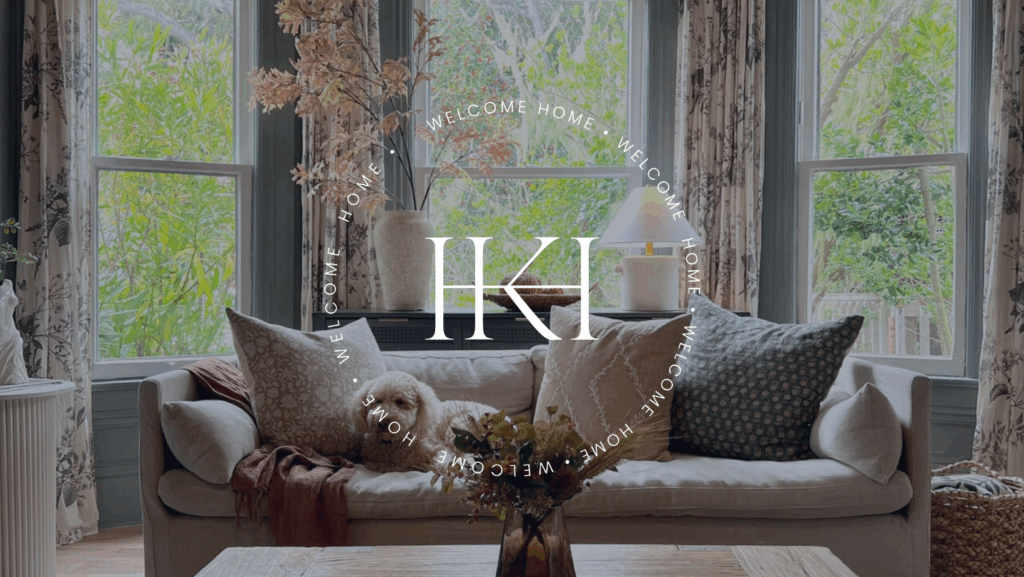
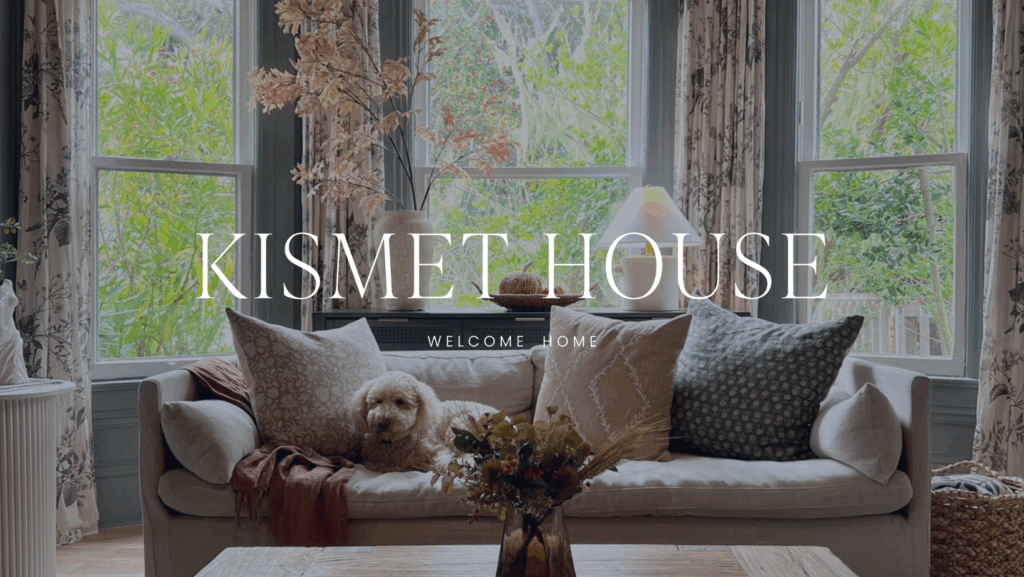
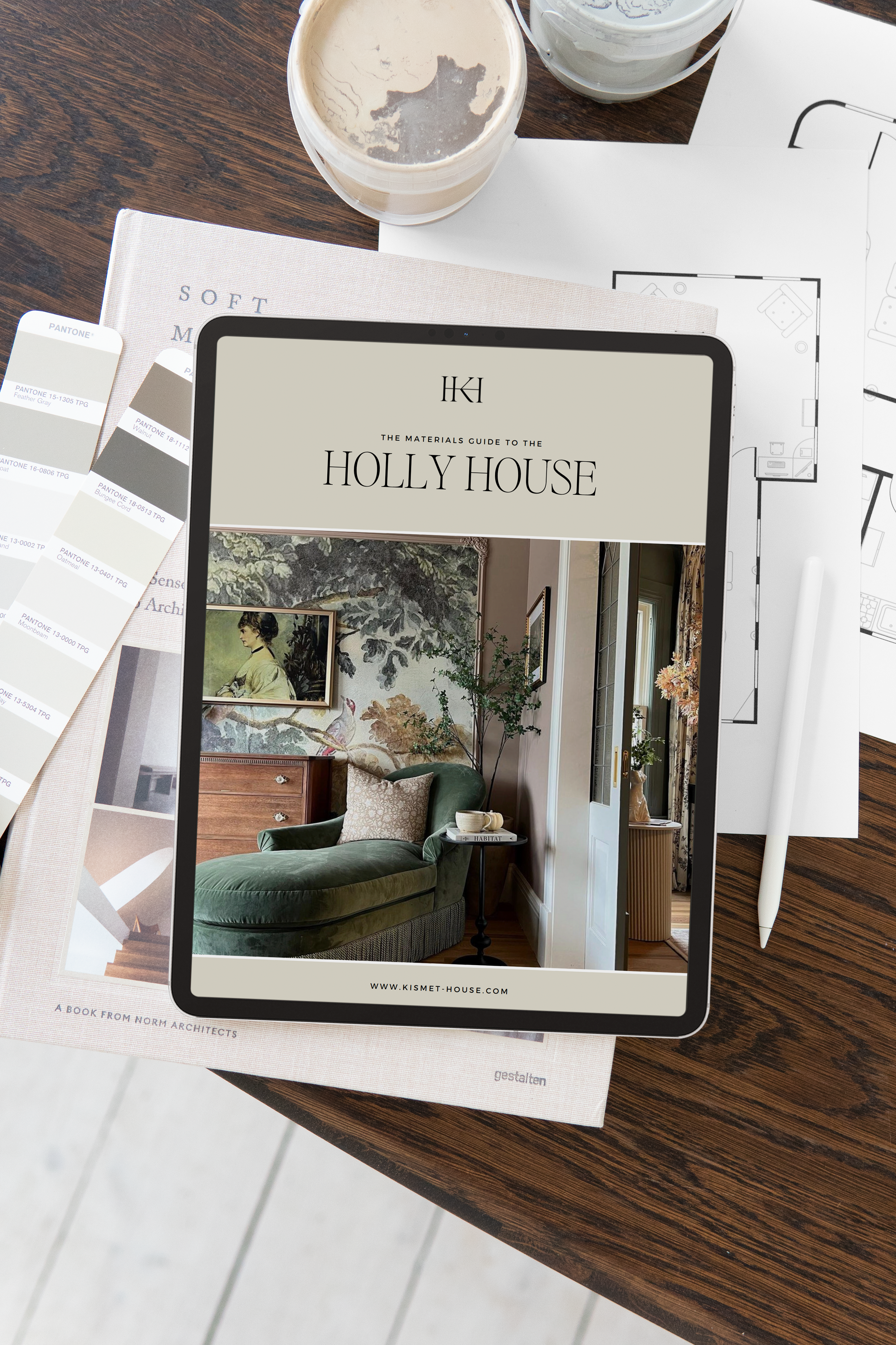
The result? A brand that feels like walking into a home where there’s always a seat at the table.
Rae Cole Interiors: Nurturing Comfort and Structure

Rae Cole Interiors began with two friends who brought different strengths to the table—luxury design experience on one side, vision for function and storytelling on the other.
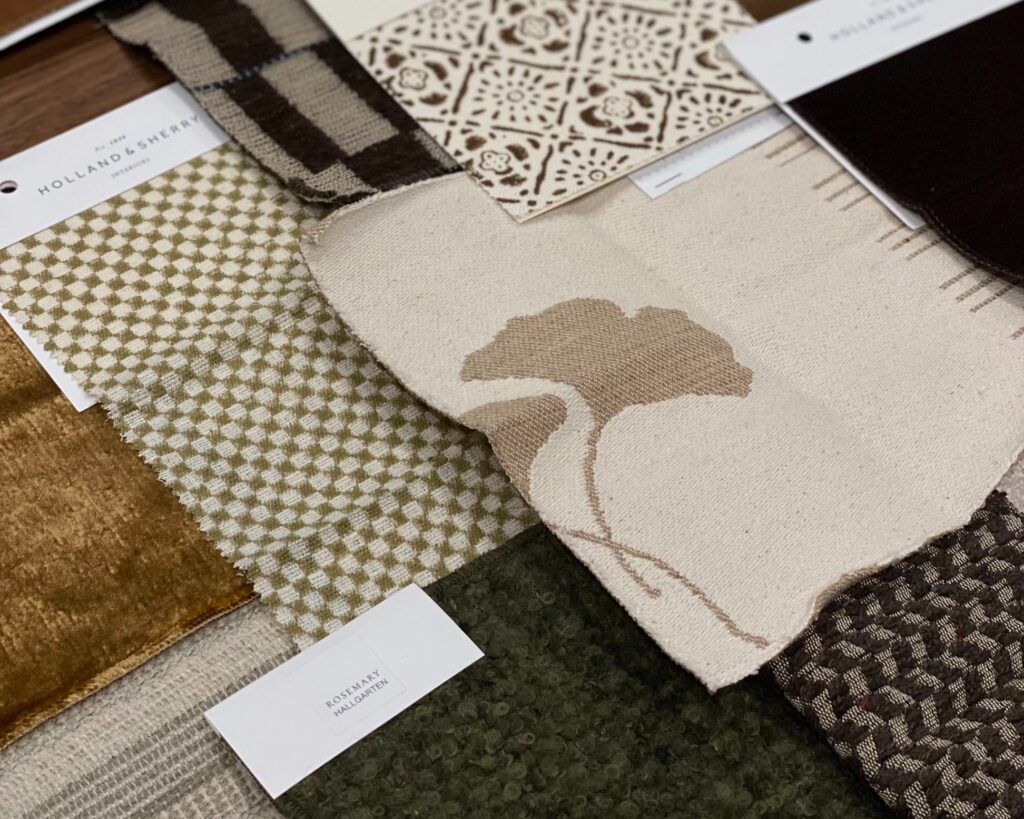
Their firm is built on balance, warmth, and deeply personal connection.
For their brand, we wanted to capture that duality of structure and soul:
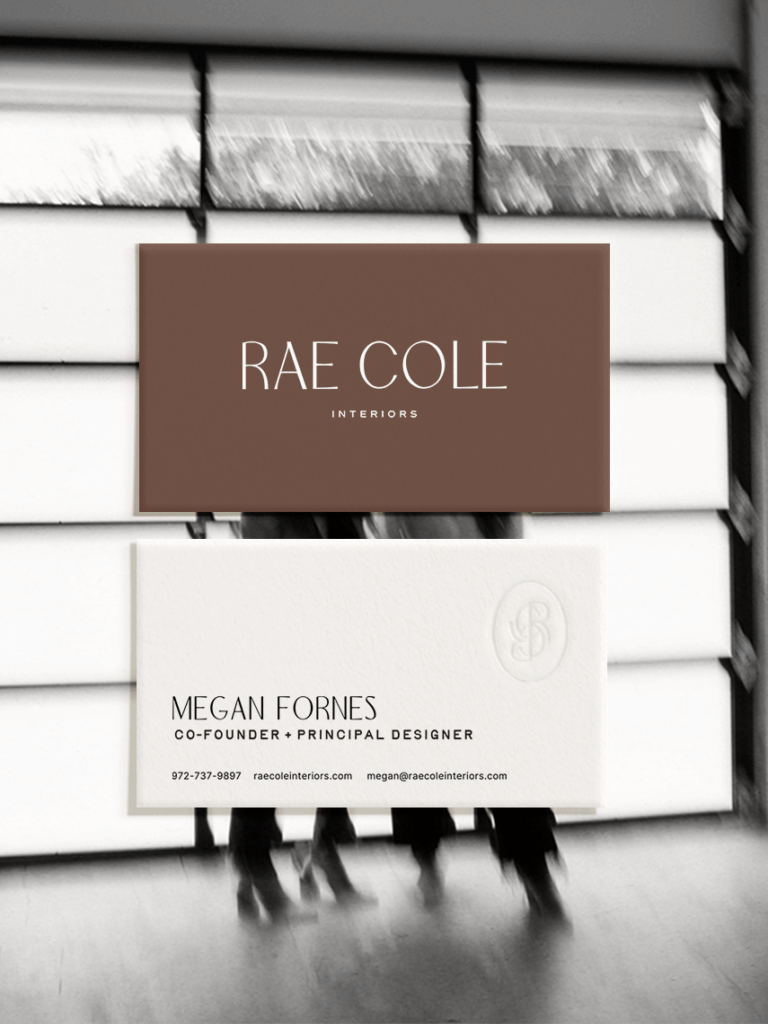
- An organic color palette, grounded in personal meaning (even down to a shade that matched a husband’s eyes).
- Typography softened to remove pretension and add ease.
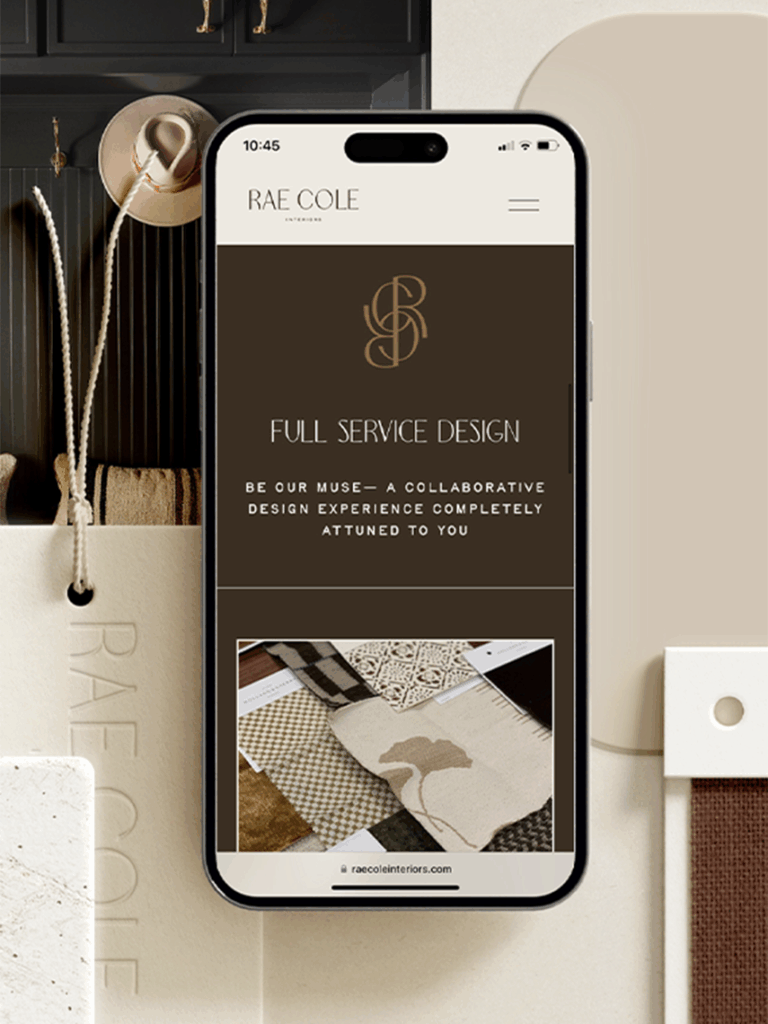
- Iconography that blended function with beauty, reflecting their design philosophy.
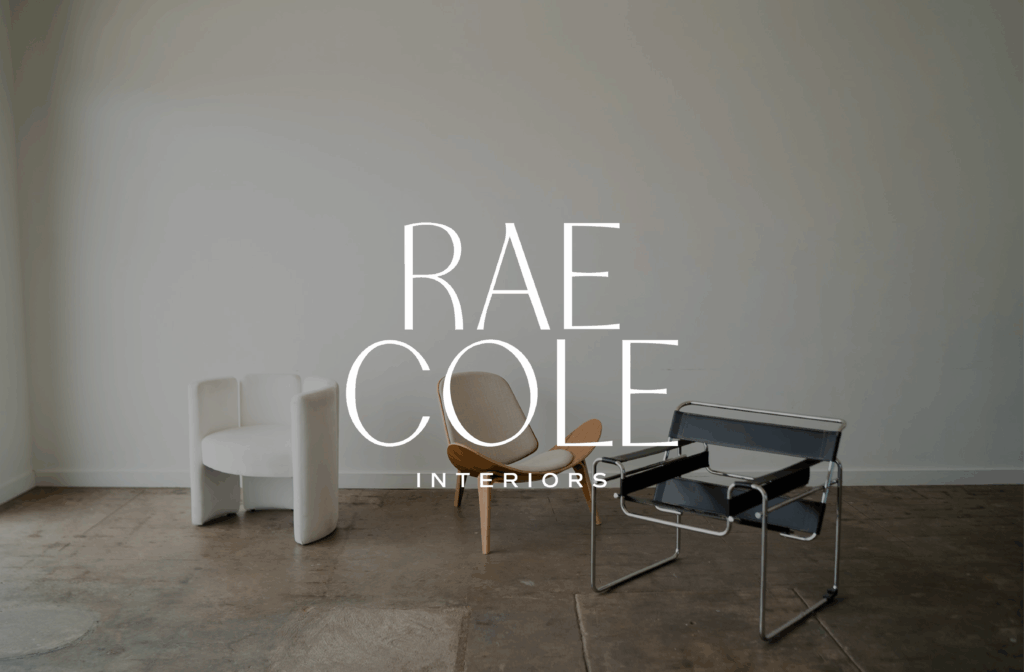
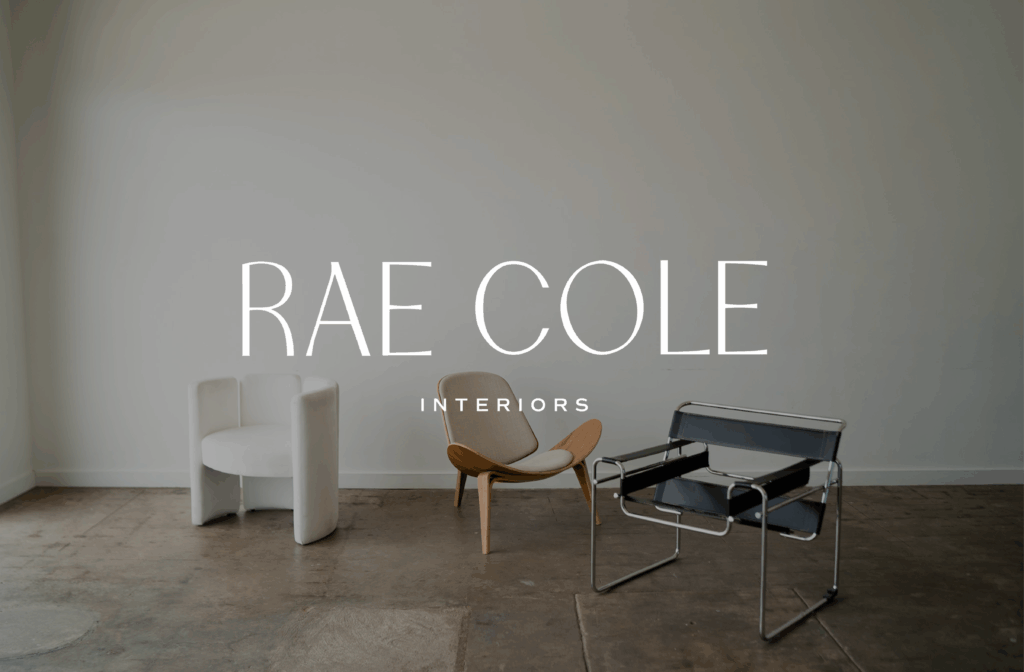
What emerged was a brand that feels deeply human—inviting, relational, and full of quiet confidence. It’s the kind of identity that wraps around you like a well-designed room: comforting, balanced, and unforgettable.
Designing Emotional Architecture
Whether it’s interiors or brands, the design process always begins with emotion. Here’s how we think about it:
Start with the feeling.
Before choosing a palette, a font, or a logo, begin by naming the emotion: what should people feel here? Do you want your clients to feel calm? Inspired? Confident or nurtured? Just like a room sets a mood through light and texture, your brand should set a mood the moment someone lands on your website or sees your logo.
Translate emotion into design cues.
Once the feeling is clear, it’s time to translate it visually. Warmth might mean softer typography. Heritage could be expressed through vintage-inspired details. Structure can come through clean lines and architectural marks. Every element should be chosen with the same intentionality you’d use in designing a space.
Preserve the personal.
The most powerful brands, like the most memorable homes, carry a story. The details that come from a founder’s story or a family’s history are not just details that make a brand unique—they make it feel like home.
More Than Aesthetic, It’s Atmosphere
At the end of the day, both interiors and brands are acts of hospitality. They’re about creating spaces—digital or physical—where people feel something meaningful.
Because when branding is done well, it doesn’t just look beautiful.
It feels like home.
Ready to build a brand that feels like home? Start a project with Drop Cap Design.